Bluestone: A Glimpse into Wollert’s Past
Published on 26 May 2026
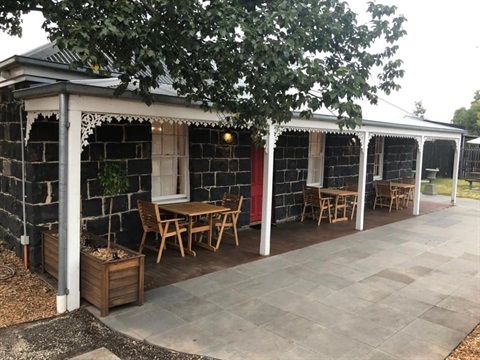
Standing quietly among the growing suburbs of Wollert, Bluestone offers a rare and tangible connection to the area’s earliest European settlement.
The story of Bluestone begins in 1853, when Scotsman Allan Cameron—who arrived in Australia just a few years earlier in 1848—purchased 160 acres of land stretching across what is now bounded by Boundary Road, Epping Road and Craigieburn Road. Like many early settlers, Cameron set about establishing a life on the land, contributing to the agricultural foundations that shaped the district.
Over time, the property evolved. In 1875, a small portion of the land on the south-west corner of the Wollert crossroads was sold to Joseph Bodycoat, marking the beginning of further subdivision and growth in the area.
Today, the Bluestone house—now more than 100 years old—stands as a rare surviving example of a home built in the 1850s, a time when Wollert was defined by open farmland and pioneering families. Constructed from locally sourced stone, it reflects the practical building methods of the era and offers a glimpse into early rural life.
Once a family home, Bluestone has taken on a new life. Now home to Bluestone Cafe Restaurant Functions, the historic building has been thoughtfully reimagined as a place for people to come together. Recognising something special in the centuries-old structure, its custodians saw the potential to create a beautiful restaurant—somewhere families, friends and the community could gather, celebrate and connect.
Set against a backdrop of modern suburban development, Bluestone remains a distinctive and enduring landmark—where history and hospitality meet. It continues to tell the story of Wollert’s past, while playing an important role in the community today.